Article
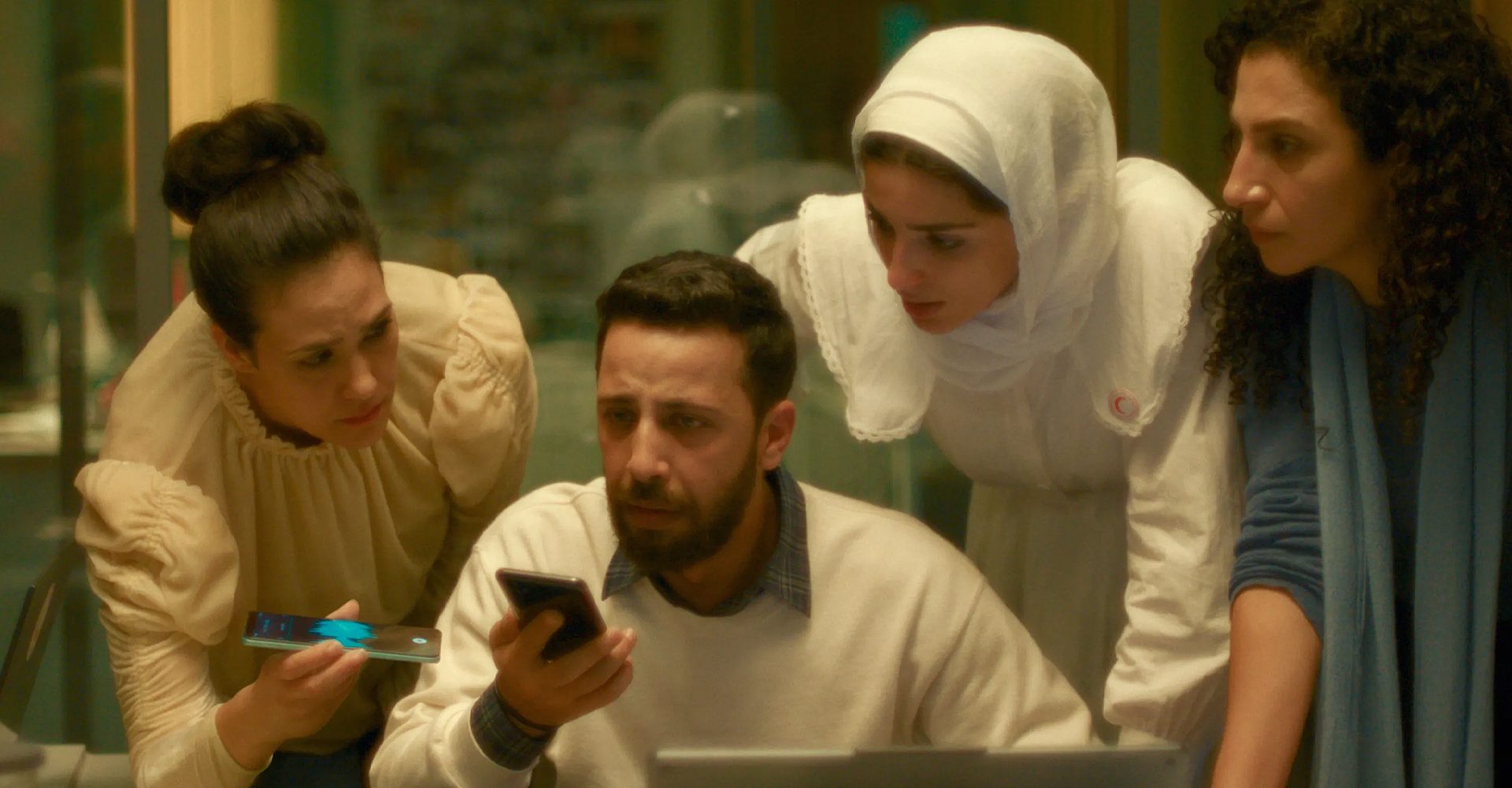
Bearing Witness: The Voice of Hind Rajab
In a world where civilians are increasingly affected by conflict, The Voice of Hind Rajab offers a powerful reminder of the human cost of war. Through the story of one child, the film highlights the urgent need to protect the most vulnerable and uphold our shared humanitarian responsibility.
BB Energy Foundation May 8, 2026
There are moments in history when a single voice comes to represent something far greater than itself. The Voice of Hind Rajab is one of those moments. The film centres on the final hours of a young girl caught in conflict — a story that is deeply personal, yet painfully universal.
From a humanitarian perspective, the film asks us to confront a difficult and urgent truth: children are increasingly at the centre of modern warfare. What was once considered unthinkable has, in many places, become routine. Civilians — and especially children — are no longer collateral in the margins of conflict; they are, far too often, directly in its path.
Historically, the majority of casualties in war were soldiers. Today, that reality has shifted dramatically. Estimates suggest that around 80% of those affected by armed conflict are civilians. This change reflects not only the nature of contemporary warfare, but also a breakdown in the protections that were once more widely upheld under international humanitarian law.
The story told in this film is not just about one child. It represents countless untold stories — lives interrupted, families shattered, futures taken before they have the chance to unfold. It highlights the inhumanity of targeting, or failing to protect, those who are most vulnerable.
At its core, international humanitarian law is clear: civilians should never be the target of violence. The protection of children, in particular, is a fundamental principle shared across global conventions and moral frameworks. And yet, the gap between principle and reality is widening.
What The Voice of Hind Rajab offers is not only testimony, but a call to awareness. It asks viewers to bear witness — not to look away, but to recognise the human cost behind headlines and statistics.
For organisations working in humanitarian and development contexts, this awareness matters. Understanding the lived realities of conflict is essential to responding with integrity, care, and responsibility. It also reminds us why long-term investment in peace, protection, and community resilience is so critical.
This is not an easy film to watch. Nor should it be. But it is an important one.
Because behind every number is a name. And behind every name, a life that deserves to be protected.
You might also like...
Case Studies
Four Partners, One Visit: BB Energy Foundation in Morocco
Read more
August 26, 2026
Article
Why BB Energy Foundation Focuses on Education, Health, and Wellbeing for Women & Children
At BB Energy Foundation, we focus on education, health, and wellbeing because lasting change starts there. Together, these interconnected pillars help build stronger, more resilient, and equitable communities. Read more about the thinking behind our approach.
Read more
May 14, 2026
Case Studies
Interview With Our Partner: INARA
Learn about what is happening in Lebanon right now, and how our partner INARA is helping.
Read more
May 13, 2026