Case Studies
Why Health?
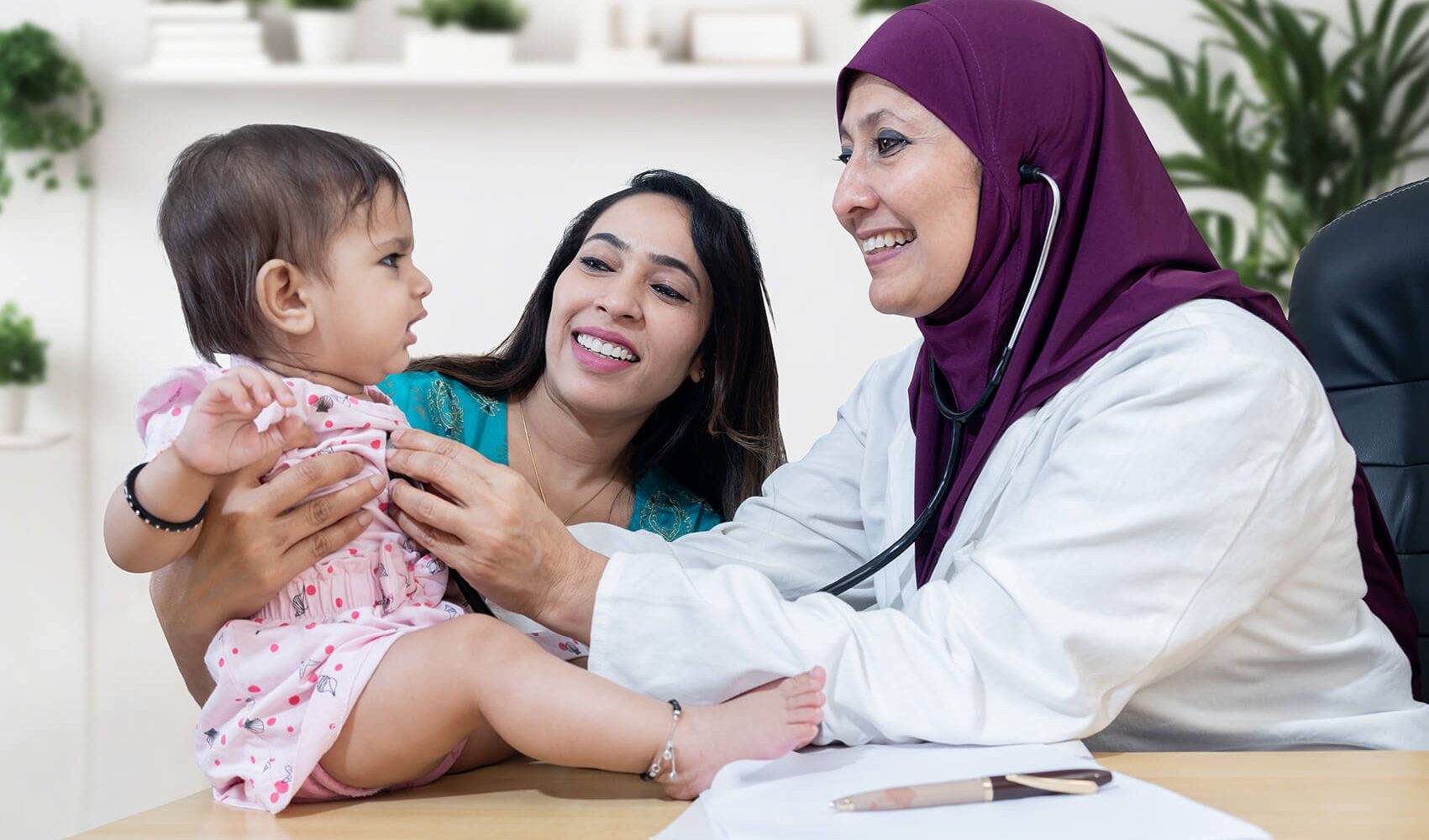
Access to healthcare is a fundamental right and this article explains why women and children's health is one of the key areas of focus for the BB Energy Foundation.
BB Energy Foundation August 16, 2024
Investing in health in countries affected by poverty is of utmost importance for several reasons. Firstly, it is a matter of basic human rights. Access to healthcare is a fundamental right, and investing in health ensures that individuals in countries affected by poverty have the opportunity to lead healthy and fulfilling lives.
Secondly, investing in health in countries affected by poverty helps to reduce poverty and inequality. Poor health can trap individuals and communities in a cycle of poverty, as it hinders productivity, limits educational opportunities, and increases healthcare expenses. By investing in healthcare infrastructure, disease prevention, and treatment, we can break this cycle and create a more equitable society.
Furthermore, investing in health in countries affected by poverty is essential for global health security. Infectious diseases do not recognize borders, and outbreaks in one country can quickly spread to others. By strengthening healthcare systems and disease surveillance in countries affected by poverty, we can prevent the spread of diseases and protect global health.
Additionally, investing in health in countries affected by poverty contributes to economic development. Healthy individuals are more productive, which leads to increased economic output and growth. By improving healthcare access and quality, we can create a healthier workforce that can contribute to the overall development of the country.
Lastly, investing in health in countries affected by poverty is a moral imperative. It reflects our shared responsibility to ensure that everyone, regardless of their socioeconomic status, has the opportunity to live a healthy life. It is a demonstration of solidarity and compassion towards our fellow human beings. In summary, investing in health in countries affected by poverty is crucial for upholding human rights, reducing poverty and inequality, ensuring global health security, promoting economic development, and fulfilling our moral obligations.
Women and Girls
In developing countries, women face unique health challenges due to factors such as poverty, limited access to healthcare, cultural practices, and gender inequality. Here are some key statistics and insights:
Maternal Mortality Rate: The maternal mortality rate in developing countries is significantly higher than in developed regions:
- Sub-Saharan Africa: About 533 deaths per 100,000 live births.
- South Asia: Approximately 163 deaths per 100,000 live births.
Reproductive Health
- Unmet Need for Family Planning: Around 24 percent of women in developing countries have an unmet need for modern contraception. This contributes to high rates of unintended pregnancies and unsafe abortions.
HIV Mother-to-Child Transmission: Efforts to prevent mother-to-child transmission of HIV have been improving, but challenges remain, particularly in regions with weak healthcare systems.
Violence Against Women
- Domestic Violence: About 37 percent of women in developing countries have experienced physical and/or sexual intimate partner violence at some point in their lives.
- Female Genital Mutilation (FGM): FGM is prevalent in parts of Africa, the Middle East, and Asia, with an estimated 200 million girls and women having undergone the procedure.
Malnutrition and Anaemia
- Malnutrition: Malnutrition is a significant issue, particularly among pregnant women and children. In South Asia, for example, 40 percent of women of reproductive age are underweight.
- Anaemia: Around 40 percent of pregnant women in developing countries are anaemic, a condition often caused by poor nutrition, malaria, or parasitic infections.
Child Marriage and Early Pregnancy
- Child Marriage: Approximately 12 million girls are married before the age of 18 each year, with the highest rates in Sub-Saharan Africa and South Asia.
- Health Risks: Early marriage often leads to early pregnancy, which carries higher risks of complications such as pre-eclampsia, premature birth, and low birth weight.
COVID-19 Impact
- Increased Burden: The COVID-19 pandemic has exacerbated health inequalities, with women in developing countries facing increased burdens of care, loss of income, and restricted access to healthcare services.
You might also like...

Case Studies
Four Partners, One Visit: BB Energy Foundation in Morocco
Read more
August 26, 2026
Article
Why BB Energy Foundation Focuses on Education, Health, and Wellbeing for Women & Children
At BB Energy Foundation, we focus on education, health, and wellbeing because lasting change starts there. Together, these interconnected pillars help build stronger, more resilient, and equitable communities. Read more about the thinking behind our approach.
Read more
May 14, 2026
Case Studies
Interview With Our Partner: INARA
Learn about what is happening in Lebanon right now, and how our partner INARA is helping.
Read more
May 13, 2026